

Iran-Israel ceasefire: Sharjah airport restores full services as Dubai warns of flight delays
UAE travellers advised to check flight schedules with airlines for latest updates
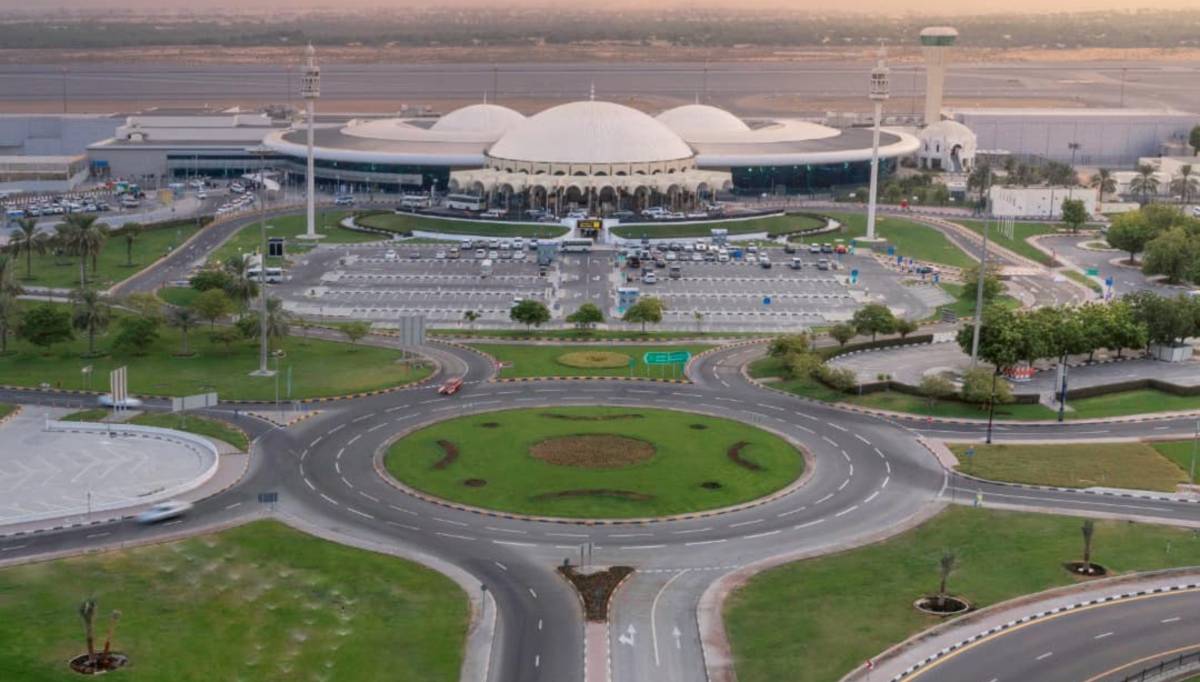
DUBAI: Sharjah Airport has confirmed it is operating at full capacity again following a brief period of disruption caused by airspace closures across the GCC.
The resumption was announced after Iran launched a missile strike on a US military base in Qatar, prompting immediate aviation alerts and precautionary rerouting of flights.
In a statement, Sharjah Airport said it is "continuing to provide services at full capacity in ongoing coordination with the airlines and relevant entities", ensuring seamless flight movement in line with international operational standards. However, passengers have been advised to stay in close contact with their respective airlines due to potential schedule shifts.
#مطار_الشارقة #الشارقة #الإمارات #السفر #حول_العالم#SharjahAirport #Sharjah #UAE #travel #aroundtheglobe pic.twitter.com/mG5vJX5BtM
— مطار الشارقة (@sharjahairport) June 24, 2025
Impact on Dubai flights
Dubai International (DXB) and Al Maktoum International (DWC) airports may still face residual impact, particularly for flights to India. Dubai Airports confirmed that operations have resumed fully but warned that delays or cancellations are still possible due to the cautious approach being taken by air traffic authorities in the region.
UPDATE ⚠️ Due to regional airspace closures, flights from DXB and DWC - Al Maktoum International may be impacted. Please check with your airline for the latest updates before heading to the airport, especially for guests travelling to India.
— DXB (@DXB) June 24, 2025
“While we are working with airlines to maintain approved schedules, some flights may experience disruptions. Passengers should check directly with airlines for real-time updates,” Dubai Airports stated via the Dubai Media Office.
The airspace restrictions were temporarily enforced over Qatar, Bahrain, Kuwait, and parts of the UAE on Monday evening, severely affecting flight movements and passenger plans across the region.
Flight suspensions and rerouting
Wizz Air Abu Dhabi has suspended operations until June 30, while Air Arabia, based in Sharjah, confirmed it experienced disruptions due to the closures. Emirates rerouted several flights but reported no diversions.
We’re closely monitoring the situation. For real-time updates, please visit our Current Flight Status page:https://t.co/ZhwoXCJuMR pic.twitter.com/8ckgEkfnUM
— Wizz Air (@wizzair) June 23, 2025
Etihad Airways also rerouted a number of flights on June 23 and 24 as a safety measure and cancelled services to Doha, Muscat, Riyadh, and Kuwait City. Abu Dhabi’s Zayed International Airport and Sharjah Airport both issued advisories urging passengers to verify flight information before travel.
Air India announced a complete halt to operations in the region, as well as to and from North America's East Coast and parts of Europe, citing the security situation in the Middle East.
#TravelAdvisory
— Air India (@airindia) June 23, 2025
“Amid the developing situation in the Middle East, Air India has ceased all operations to the region as well as to and from the East Coast of North America and Europe with immediate effect, until further notice. Our India-bound flights from North America are…
The initial strike caused ripple effects across the region’s aviation networks, affecting hundreds of flights and thousands of passengers. Despite the ceasefire declared between Iran and the US on Tuesday morning, airlines are taking no chances, maintaining a cautious stance in flight scheduling and routing.